How Stitching Becomes a Design Element
The Small Detail That Can Transform the Look of a Handbag
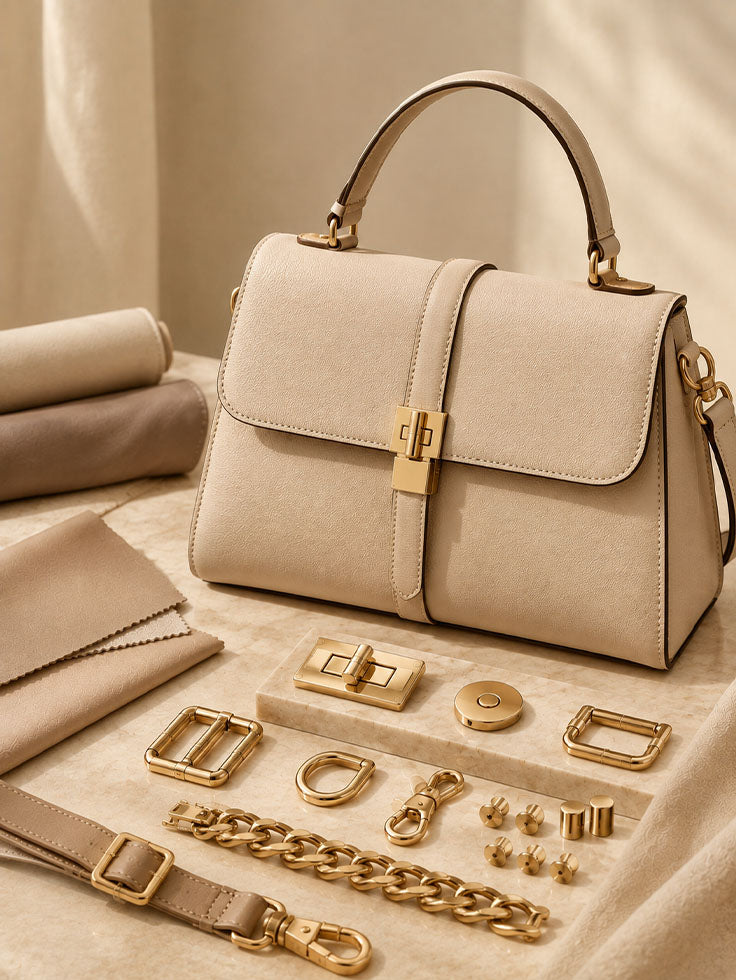
When designing a handbag, attention often focuses on the leather, silhouette, hardware, and color. However, one of the most understated details can have a surprisingly strong visual impact: stitching.
A carefully selected thread color, stitch length, or seam placement can completely change the appearance of a handbag.
Stitching can be:
- Functional
- Decorative
- Structural
- Minimalist
- Contrasting
- Brand-defining
For premium handbags, handbag stitching is where craftsmanship and design come together.
1. Why Stitching Matters in Handbag Design
Handbag Stitching, Handbag Craftsmanship
At its most basic level, stitching holds different parts of a handbag together. But in high-quality products, stitching does much more.
Well-executed stitching can:
- Strengthen seams
- Reinforce high-stress areas
- Define the shape of a handbag
- Highlight the edges of leather panels
- Create visual rhythm
- Enhance material quality
- Add a handcrafted appearance
This is why professional handbag craftsmanship pays close attention to stitch consistency.
When every stitch is aligned and evenly spaced, the entire handbag immediately appears more refined.
2. Contrast Stitching Creates a Strong Visual Effect
Contrast Stitching, Stitching Design
One of the simplest ways to make stitching part of the design is through contrast stitching.
For example:
- Black leather + cream thread
- Caramel leather + dark brown thread
- Cream leather + warm beige thread
- Navy leather + white thread
A contrasting thread color makes the construction lines more visible.
This technique works particularly well on:
- Leather totes
- Shoulder bags
- Crossbody bags
- Structured handbags
- Minimalist handbags
Contrast stitching can turn an otherwise simple silhouette into a more distinctive fashion piece.
3. Tonal Stitching Creates Quiet Luxury
Premium Handbags, Leather Handbag Stitching
Not every handbag needs visible decorative details.
For minimalist and Quiet Luxury designs, tonal stitching is often a better choice.
Examples include:
- Cream leather + cream thread
- Camel leather + caramel thread
- Black leather + black thread
- Taupe leather + matching thread
Because the thread closely matches the material, the stitching becomes subtle rather than dominant.
The result is a clean and sophisticated appearance that allows the quality of the leather and construction to speak for itself.
4. Stitching Can Define the Shape of a Handbag
Handbag Construction, Bag Stitching
Stitching plays an important role in creating the structure of a handbag.
Strategically positioned seams can emphasize:
- Curved edges
- Structured corners
- Handle attachments
- Front panels
- Side gussets
- Bottom construction
For example, stitching around the perimeter of a structured tote can visually reinforce its shape while making the silhouette appear more defined.
This means that bag stitching is not simply about connecting materials—it can actively contribute to the overall geometry of the product.

5. Double Stitching Adds Both Style and Strength
Double Stitching Handbags, Precision Stitching
Double stitching is commonly used in areas that require additional reinforcement.
It can be found around:
- Handles
- Shoulder strap attachments
- Bag openings
- Bottom panels
- High-stress seams
Visually, two parallel rows of stitching can also create a more substantial and premium appearance.
For leather handbags, double stitching can combine functional reinforcement with a distinctive design detail.
6. Stitch Length Can Change the Character of a Bag
Precision Stitching, Handbag Design
The spacing between stitches may seem like a small technical detail, but it can influence the overall appearance of a handbag.
Fine Stitching
Creates a:
- Refined appearance
- Elegant aesthetic
- More delicate visual effect
Wider Stitching
Creates a:
- Stronger visual statement
- More handcrafted appearance
- Casual or contemporary feel
The ideal stitch length depends on the material, bag construction, and desired design language.
A luxury leather handbag typically requires carefully controlled stitch spacing to maintain consistency throughout the product.
7. Decorative Stitching Can Become a Signature
Decorative Stitching, Handbag Design
Stitching doesn't always need to follow traditional seam lines.
Designers can use decorative stitching to create:
- Geometric patterns
- Curved lines
- Quilted effects
- Borders
- Diamond patterns
- Signature motifs
These details can transform stitching into a recognizable visual feature.
For fashion brands, a distinctive stitching pattern can even become part of a product's signature identity.
8. Stitching and Leather Work Together
Leather Bag Craftsmanship, Leather Handbag Stitching
Different leather types react differently to stitching.
Smooth leather can highlight precise and minimal seams, while textured leather may create a more relaxed handcrafted appearance.
When working with premium leather, manufacturers need to consider:
- Leather thickness
- Grain direction
- Thread size
- Needle size
- Stitch density
- Seam allowance
- Edge finishing
The goal is to create stitching that complements the leather rather than damaging or visually overwhelming it.
9. Thread Color Is an Important Design Decision
Stitching Design, Handbag Stitching
Thread should be selected as carefully as the handbag's hardware and lining.
Popular combinations include:
| Bag Material / Color | Recommended Thread |
|---|---|
| Cream leather | Ivory / Beige |
| Caramel leather | Tan / Dark Brown |
| Black leather | Black / Charcoal |
| Chocolate brown | Dark Brown / Beige |
| Sage green | Matching Green / Cream |
| Burgundy | Burgundy / Dark Brown |
| Navy | Navy / White |
A matching thread creates a sophisticated appearance, while contrast thread creates stronger visual definition.
10. Stitching Can Highlight Premium Craftsmanship
Premium Handbag Manufacturing, Precision Stitching
Consumers may not always understand the technical process behind a handbag, but they can often recognize precision.
Signs of high-quality stitching include:
- Consistent stitch length
- Straight seam lines
- Clean thread tension
- No loose threads
- Even corners
- Accurate seam alignment
- Reinforced stress points
These details communicate quality without requiring additional decoration.
For premium handbags, precision stitching is one of the clearest visual indicators of careful manufacturing.
11. Stitching Can Improve Durability
Durable Handbags, Handbag Construction
Design and durability should work together.
Critical areas such as handles and shoulder straps experience significant stress during daily use.
Manufacturers may use:
- Reinforced stitching
- Double stitching
- Bar tacks
- Multiple seam lines
- Reinforced leather patches
These techniques help prevent seams from opening or tearing.
Therefore, well-designed stitching is not simply decorative—it can directly improve the lifespan of a handbag.
12. Different Handbag Styles Use Stitching Differently
Tote Bags
Tote bags often use stitching to emphasize:
- Structured edges
- Handle attachments
- Bottom construction
- Front panels
Shoulder Bags
Shoulder bags may feature:
- Decorative perimeter stitching
- Contrast thread
- Reinforced strap connections
Crossbody Bags
Crossbody designs often require:
- Strong strap attachment stitching
- Reinforced D-ring areas
- Compact decorative seams
Travel Bags
Travel bags typically prioritize:
- Reinforced seams
- Heavy-duty stitching
- Stress-point reinforcement
- Functional construction
The stitching strategy should always reflect how the handbag will be used.
13. Stitching and Edge Painting Create a Complete Look
Leather Bag Craftsmanship, Premium Handbag Details
For leather handbags, stitching rarely works alone.
It is often combined with:
- Edge painting
- Leather folding
- Skiving
- Polishing
- Reinforcement
- Hardware installation
For example, a clean leather edge combined with perfectly aligned stitching can create a sophisticated finish around the entire silhouette.
The interaction between these details is what creates a truly premium appearance.
14. Stitching Trends in Modern Handbag Design
Handbag Design Trends, Modern Handbags
Modern handbag design is increasingly focused on subtle craftsmanship.
Popular approaches include:
Minimalist Tonal Stitching
Nearly invisible stitching that emphasizes material quality.
Refined Contrast Stitching
A carefully selected contrasting thread creates understated visual interest.
Oversized Decorative Stitching
Larger stitches create a contemporary, handcrafted appearance.
Signature Stitching
Unique stitch patterns help establish brand recognition.
Functional Decorative Stitching
Reinforced seams are designed to be visible rather than hidden.
These approaches allow brands to communicate craftsmanship through construction rather than excessive decoration.
15. Why Stitching Matters for Private Label Handbags
Custom Handbag Manufacturer, OEM Handbag Manufacturer
For brands developing private label handbags, stitching can become an important part of product differentiation.
Instead of simply changing the color or hardware, brands can customize:
- Thread color
- Stitch density
- Stitch pattern
- Seam placement
- Decorative stitching
- Reinforcement details
An experienced custom handbag manufacturer can help translate these design decisions into a production-ready product.
For OEM projects, precise communication of stitching specifications is especially important because even small variations can affect the final appearance.
How Brands Can Use Stitching as a Design Tool
When developing a new handbag collection, consider stitching from the beginning of the design process.
Step 1: Define the Bag Style
Determine whether the product is:
- Minimalist
- Classic
- Contemporary
- Casual
- Luxury
- Outdoor-inspired
Step 2: Select the Material
Choose the appropriate leather, vegan leather, canvas, nylon, or other material.
Step 3: Choose the Stitching Direction
Decide whether stitching should be:
- Tonal
- Contrasting
- Decorative
- Structural
Step 4: Define Technical Details
Specify:
- Thread color
- Stitch length
- Stitch density
- Seam allowance
- Reinforcement requirements
Step 5: Develop Samples
A physical sample allows designers and manufacturers to evaluate how the stitching interacts with the material, hardware, and overall silhouette.
Frequently Asked Questions
What is handbag stitching?
Handbag stitching refers to the sewing process used to connect and reinforce different components of a handbag. It can also serve as an important decorative design element.
Why is stitching important in leather handbags?
Stitching provides structural strength while defining the shape, edges, and visual character of a leather handbag.
What is contrast stitching?
Contrast stitching uses a thread color that differs from the handbag material, making the seams more visible and creating a stronger visual effect.
Is double stitching stronger?
Double stitching can provide additional reinforcement in high-stress areas such as handles, straps, and bag openings, depending on the construction method.
Can brands customize handbag stitching?
Yes. Brands can customize thread colors, stitch patterns, stitch spacing, seam placement, and decorative stitching when working with an experienced OEM or custom handbag manufacturer.
Conclusion
Stitching is far more than a technical requirement in handbag manufacturing. When carefully planned, it can become one of the most recognizable design elements of a handbag.
From subtle tonal stitching that supports a Quiet Luxury aesthetic to bold contrast stitching that creates a contemporary statement, small changes in thread, spacing, and construction can dramatically influence the final product.
At the same time, precision stitching contributes to structural strength and long-term durability. This makes it an essential part of both handbag design and handbag craftsmanship.
For brands developing premium or private label collections, treating stitching as a design element from the beginning can create products that look more distinctive, feel more refined, and communicate quality through every detail.
Working with an experienced OEM handbag manufacturer can help brands turn these stitching concepts into production-ready handbags while maintaining consistency, craftsmanship, and quality across the entire collection.