
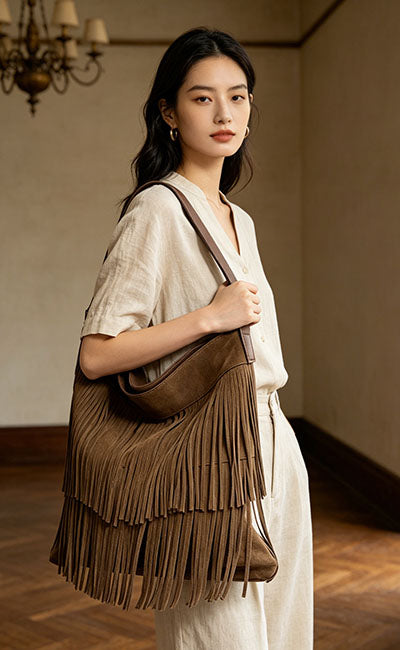
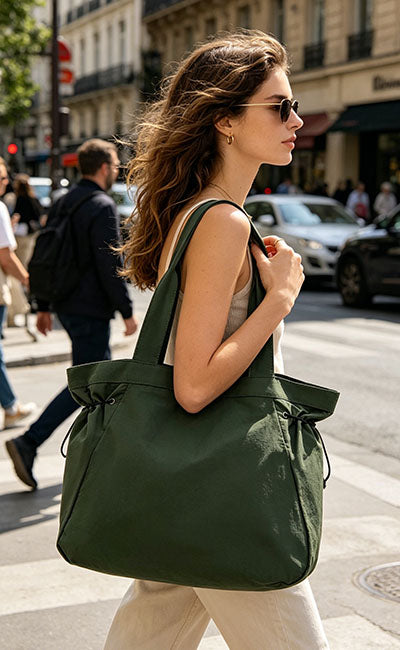


One Design, Multiple Markets: How to Adapt Handbags for Different Customer Groups
Handbag Industry Insights | Global Market Trends 2026–2027
A handbag design that performs well in one market may not necessarily appeal to customers in another. While some consumers prioritize spacious interiors and everyday functionality, others look for lightweight construction, distinctive details, or designs that express their personal style.
For handbag brands expanding into international markets, understanding these differences is becoming increasingly important. Instead of developing completely separate products for every customer group, brands can start with one core design concept and adapt its materials, dimensions, colors, features, and positioning to meet different market needs.
This approach is particularly relevant in 2026, as consumers become more selective about fashion purchases. Quality, durability, versatility, and perceived value are gaining importance, while personalization and individual style continue to influence product preferences.
According to Euromonitor's 2026 personal accessories analysis, consumers are increasingly adopting a more considered approach to purchasing, placing greater emphasis on quality, longevity, and meaningful product value. Meanwhile, handbag market research highlights growing demand for versatile silhouettes, lightweight construction, organized interiors, and practical features.
For brands, the opportunity is clear: develop products with a consistent design identity while creating flexible variations for different customers and markets.
In this article, we explore how handbag brands can adapt one design concept for different customer groups, understand regional preferences, and build more commercially effective product collections.
1. Why One Handbag Design May Need Different Market Versions
Global fashion trends create shared design inspiration, but consumer expectations are not identical everywhere.
A tote bag designed for a North American professional may need a padded laptop compartment, reinforced handles, and generous storage capacity. The same basic silhouette developed for a European fashion retailer might benefit from a slimmer profile, lighter construction, and more refined exterior details.
Both products can share the same design foundation, but their final specifications should reflect different customer priorities.
There are several reasons why product adaptation matters:
Different lifestyles: Customers have different daily routines, commuting habits, travel needs, and social occasions.
Different aesthetic preferences: Some markets favor understated silhouettes and neutral colors, while others respond more strongly to expressive details and seasonal color updates.
Different price expectations: Material selection, construction complexity, hardware, and product features need to align with the intended retail price.
Different shopping behaviors: Younger consumers may discover products through social media and digital platforms, while other customer groups may place greater emphasis on established brand reputation, product quality, and retail experience.
Different usage requirements: A handbag intended for everyday commuting has different functional requirements from one designed for weekend outings, travel, or special occasions.
The goal is not to create an entirely different product for every market. It is to identify which design elements should remain consistent and which can be adjusted.
2. Understanding Different Handbag Customer Groups
One of the most effective ways to plan a handbag collection is to segment customers by lifestyle, purchasing motivation, and intended use rather than relying only on age or gender.
Here are five customer groups worth considering when developing new handbag products.
1. Young Fashion-Conscious Consumers
Typical age group: Gen Z and younger Millennials
Main priorities: Individuality, contemporary design, versatility, and social-media appeal.
Younger consumers often view handbags as more than practical accessories. A distinctive shape, interesting texture, recognizable detail, or customizable feature can help a product become part of their personal style.
Recent fashion and consumer discussions also point to growing interest in self-expression and personalized accessories. A 2026 analysis by Pulsar Platform identified DIY bags and accessories as one of the fastest-growing fashion narratives in its tracked online conversations.
Recommended product directions:
-
Compact shoulder bags and crossbody bags
-
Mini bags with functional interior space
-
Convertible bags with detachable straps
-
Bags featuring distinctive hardware or decorative elements
-
Color-blocked designs and seasonal color combinations
-
Customizable straps, charms, and accessories
Materials and design details:
Lightweight nylon, textured synthetic leather, soft microfiber, and mixed-material construction can help brands create contemporary products at different price points.
For this customer group, brands should focus on creating a recognizable design detail rather than adding too many decorative elements.
2. Working Professionals and Urban Commuters
Typical age group: Millennials and Gen X
Main priorities: Functionality, comfort, organization, durability, and professional styling.
For working professionals, a handbag often needs to support a full day of activities. It may carry a laptop, documents, phone, wallet, water bottle, cosmetics, and other everyday essentials.
The growing demand for hybrid work-friendly designs is also influencing product development. U.S. handbag consumer research from Grand View Research identifies features such as padded laptop compartments, cable organization, document pockets, and dedicated storage areas as relevant design directions.
Recommended product directions:
-
Structured work totes
-
Convertible backpacks and tote bags
-
Minimalist bags with organized interiors
Materials and design details:
Durable nylon, microfiber, structured vegan leather, and other materials suitable for everyday use can support different product positioning strategies.
Important features include:
-
Reinforced handles and attachment points
-
Padded laptop compartments
-
Multiple interior pockets
-
Secure zipper closures
-
Lightweight construction
-
Comfortable shoulder straps
For this segment, functionality should be integrated into the design rather than added as an afterthought.
3. Premium and Quiet-Luxury Consumers
Typical age group: Established Millennials and Gen X, although premium preferences are not limited to specific generations.
Main priorities: Material quality, craftsmanship, timeless design, and long-term value.
Premium consumers may be less interested in short-lived decorative trends and more focused on how a handbag looks and feels over time.
Recent handbag trends also show continued interest in updated classic silhouettes, tactile surfaces, refined hardware, and relaxed but polished shapes. Vogue's Summer 2026 handbag trend report highlights the combination of personality and practicality, including textured materials, roomy totes, and refreshed heritage designs.
Recommended product directions:
-
Minimalist leather-look shoulder bags
-
Structured top-handle handbags
-
Refined tote bags
Materials and design details:
Material texture, stitching quality, edge finishing, lining, hardware, and overall construction are particularly important.
Brands may consider:
-
Soft-grain or embossed synthetic leather
-
Premium microfiber
-
Tonal stitching
-
Matte or brushed metal hardware
-
Carefully finished edges
-
Neutral and understated color palettes
For this customer group, a simple silhouette can still feel distinctive when the materials and finishing are carefully developed.
4. Travel-Oriented and Active Lifestyle Consumers
Typical age group: Broad age range, including younger travelers, professionals, and frequent flyers.
Main priorities: Lightweight design, storage capacity, organization, comfort, and versatility.
Travel and active-lifestyle consumers often need bags that can adapt to different situations. A product may be used during airport transfers, weekend trips, sightseeing, shopping, and everyday commuting.
This creates opportunities for brands to develop bags that combine fashion styling with practical travel features.
Recommended product directions:
-
Multi-compartment travel organizers
Materials and design details:
Lightweight nylon, durable woven fabrics, water-resistant material options, and easy-care linings may be suitable depending on the intended product requirements.
Useful features include:
-
Adjustable shoulder straps
-
Multiple secure compartments
-
Easy-access exterior pockets
-
Reinforced bases
-
Lightweight hardware
-
Luggage sleeve attachments for selected travel styles
The main development challenge is balancing storage capacity with carrying comfort. A larger bag should not automatically become heavier or more difficult to use.
5. Occasion, Gifting, and Lifestyle Consumers
Typical age group: Broad age range, depending on the occasion and product positioning.
Main priorities: Appearance, emotional value, versatility, and presentation.
Handbags are also important gift products. Customers may purchase them for birthdays, holidays, celebrations, corporate gifting, or special occasions.
This creates an opportunity to adapt an existing handbag design through material, color, packaging, and personalized details.
Recommended product directions:
-
Compact top-handle bags
-
Elegant shoulder bags
-
Small crossbody bags
-
Coordinated handbag and pouch sets
-
Personalized gift-ready handbags
Materials and design details:
Brands can explore special textures, seasonal colors, decorative hardware, personalized labels, and premium packaging.
For gifting collections, the overall presentation matters alongside the product itself. A well-designed dust bag, gift box, or customized accessory can help create a more complete brand experience.
3. How Handbag Preferences Differ Across Major Markets
Customer segmentation is only part of the process. Brands also need to consider regional market characteristics.
North America and Europe are particularly important markets for many international handbag brands, but their customer expectations should not be treated as identical.
The following comparison provides useful starting points for product planning. These are broad commercial directions, not fixed rules for every consumer or retailer.
| Design consideration | North American market | European market |
|---|---|---|
| Everyday styles | Totes, shoulder bags, crossbody bags, functional backpacks | Shoulder bags, structured totes, crossbody bags, refined everyday styles |
| Design direction | Practical, versatile, contemporary | Refined, minimalist, expressive, and versatile |
| Functional priorities | Storage capacity, organization, comfort, durability | Comfort, proportions, versatility, material quality |
| Color direction | Neutrals with seasonal statement colors | Classic neutrals with more selective seasonal accents |
| Material considerations | Durable nylon, microfiber, textured synthetic leather | Refined textures, leather-look materials, lightweight fabrics |
| Product opportunities | Work-to-weekend bags, travel-friendly styles, multifunctional totes | Timeless shoulder bags, refined crossbody bags, updated classic silhouettes |
North America: Functionality Meets Everyday Versatility
North American consumers often need handbags that can accommodate busy daily routines.
Work, commuting, shopping, travel, and family activities can all influence product requirements.
Grand View Research's U.S. handbag consumer research highlights the importance of hybrid work-friendly designs and everyday functionality. Its broader handbag market analysis also identifies demand for versatile totes, crossbody bags, and shoulder bags.
Product development opportunities:
-
Large-capacity work totes
-
Lightweight everyday shoulder bags
-
Functional crossbody bags
-
Travel-friendly nylon handbags
-
Convertible designs for different occasions
For brands targeting this market, product demonstrations should clearly communicate storage capacity, comfort, durability, and practical features.
Europe: Design Identity and Refined Versatility
European markets include a wide range of fashion cultures and consumer preferences. However, refined silhouettes, material quality, and versatile styling are useful directions for brands exploring this region.
The UK handbag market, for example, shows interest in oversized totes, satchels, heritage-inspired craftsmanship, and customization, according to Grand View Research's UK handbag consumer insights.
Product development opportunities:
-
Minimalist shoulder bags
-
Structured top-handle handbags
-
Refined crossbody styles
-
Textured bags with subtle design details
-
Classic silhouettes updated with contemporary proportions
For brands entering European markets, it is worth researching individual countries, retail channels, price positioning, and local customer expectations rather than assuming one design direction will suit the entire region.

4. One Core Design, Five Ways to Adapt the Same Handbag
A practical way to manage multiple customer groups is to create a core product platform.
This means maintaining a recognizable base silhouette while adjusting selected elements to meet different market requirements.
For example, imagine a medium-sized shoulder bag with a clean, contemporary shape.
The core design might include a curved body, adjustable shoulder strap, secure closure, and organized interior.
From this foundation, brands could develop several variations:
| Version | Main customer | Design adaptation |
|---|---|---|
| Everyday Edition | Young fashion-conscious consumers | Trend colors, lighter construction, distinctive hardware |
| Work Edition | Urban professionals | Larger capacity, structured base, additional interior pockets |
| Premium Edition | Premium lifestyle consumers | Refined material texture, upgraded lining, subtle hardware |
| Travel Edition | Active and travel-oriented consumers | Lightweight nylon, secure pockets, adjustable strap |
| Gift Edition | Occasion and gifting customers | Special colors, personalized details, coordinated packaging |
The advantage of this approach is that brands can maintain design consistency while creating more targeted product variations.
It can also help product development teams manage materials, sampling, and production planning more efficiently.
However, not every feature should be changed independently. Adjusting the size, material thickness, handle construction, or closure may affect the overall structure and manufacturing process. These changes should be evaluated together during product development.
5. Key Elements to Consider When Adapting a Handbag Design
When developing products for different markets, several design variables can be adjusted without losing the identity of the original concept.
1. Size and Proportion
Size is one of the most important factors influencing how a handbag is used.
A compact crossbody bag may suit casual outings, while a larger version may be more appropriate for work or travel.
Rather than simply scaling a design up or down, brands should reconsider the placement of handles, straps, openings, and interior compartments.
2. Material Selection
Material selection affects appearance, weight, durability, flexibility, and production cost.
For example:
-
Nylon can support lightweight and functional designs.
-
Microfiber can provide a refined leather-like appearance.
-
Textured synthetic leather can add visual depth.
-
Recycled polyester fabrics can support selected sustainability-focused product concepts.
-
Mixed-material construction can create contrast and product differentiation.
The best material depends on the intended customer, performance requirements, and target retail price.
3. Color and Seasonal Variations
Color is an effective way to adapt a core product for different audiences.
A single silhouette could be developed in black, beige, and brown for a classic collection, then extended with burgundy, olive green, butter yellow, or seasonal accent colors.
Brands should consider local fashion trends, seasonal buying calendars, and the overall color direction of their collections.
4. Hardware and Decorative Details
Hardware can change the character of a handbag without requiring a completely new silhouette.
A minimalist bag may become more contemporary through a distinctive buckle, while a premium version may use understated metal components and tonal finishing.
Potential variations include:
-
Custom zipper pulls
-
Different closure mechanisms
-
Matte or polished metal finishes
-
Decorative buckles
-
Detachable charms
-
Branded metal components
These details can also help brands develop a more recognizable product identity.
5. Interior Organization and Functionality
Interior construction should reflect how the customer intends to use the bag.
A work tote may require laptop protection and document storage. A travel crossbody may need secure pockets for a passport, phone, and wallet. An occasion bag may prioritize a clean interior and compact proportions.
Brands should define these requirements before sampling to avoid unnecessary redesign later.
6. How Brands Can Build a More Flexible Handbag Collection
Adapting products for different markets does not mean developing an unlimited number of SKUs.
In fact, too many variations can increase material complexity, inventory pressure, and production costs.
A more practical approach is to organize the collection into three product groups.
Core Collection
These are the main styles that represent the brand's identity. They should be versatile, commercially relevant, and suitable for ongoing sales.
Examples include everyday shoulder bags, classic totes, and functional crossbody bags.
Market-Specific Collection
These products adapt the core design to specific customer groups or regional requirements.
Examples include work totes for professional customers, lightweight travel bags, and compact styles for younger consumers.
Seasonal and Limited Collection
These products introduce new colors, textures, materials, or decorative details to keep the brand's assortment fresh.
Examples include woven handbags, seasonal color editions, personalized accessories, and special gifting collections.
This structure helps brands balance consistent products with opportunities for innovation.
It also creates a clearer framework for forecasting demand, planning materials, and deciding which products should receive further development investment.
7. How OEM/ODM Manufacturing Supports Multi-Market Handbag Development
Developing one handbag design for several customer groups requires close coordination between design, material sourcing, sampling, and manufacturing.
An experienced OEM/ODM manufacturing partner can help brands translate a core design concept into different product specifications.
Key areas of support include:
Design and Product Development
Refining the original silhouette, proportions, structure, and functional details to suit different target customers.
Material and Component Selection
Evaluating suitable fabrics, synthetic leather, lining materials, zippers, hardware, and accessories based on product requirements and target costs.
Sampling and Prototyping
Developing product samples and testing different variations before confirming the final specifications.
Private-Label Customization
Adapting colors, labels, logos, hardware, packaging, and other product details to reflect each brand's identity.
Production and Quality Control
Establishing clear specifications and quality standards to support consistent manufacturing across different product versions.
For brands planning international expansion, early communication with the manufacturing partner is particularly important.
A clear product brief should include the target market, customer profile, intended use, material preferences, target price range, and required product features.
This information helps the development team make more informed decisions before sampling and bulk production.
At Journion, we support OEM/ODM and private-label bag development for brands looking to create products for different markets and customer groups. From material selection and design refinement to sampling and manufacturing, the objective is to help brands develop products that balance their design vision with practical market requirements.
Conclusion: Build One Strong Design Identity, Then Adapt It for Different Markets
Global handbag markets are becoming more diverse, and customer expectations continue to evolve.
Some consumers want functional bags that support work and travel, while others prioritize distinctive styling, refined materials, or personalized details. Regional preferences, retail positioning, and price expectations also influence how a product should be developed.
For handbag brands, the opportunity is not to create an entirely new product for every customer group. It is to establish a strong core design and adapt its size, materials, colors, hardware, and functionality according to different market needs.
A well-planned product strategy can help brands maintain a consistent identity, expand their customer reach, and develop more focused collections.
Looking to develop handbags for different markets? Journion supports OEM/ODM and private-label bag manufacturing, helping brands turn core design concepts into customized product collections for their target customers.


