記事: Hobo Bag vs. Tote Bag: Which Style Fits Modern Lifestyles?
Hobo Bag vs. Tote Bag: Which Style Fits Modern Lifestyles?
Introduction: Hobo Bag vs. Tote Bag
Choosing the right handbag is about more than appearance. Modern consumers want bags that combine style, comfort, functionality, and versatility. Among the most popular women's handbag styles, the hobo bag and tote bag continue to attract attention because they suit different lifestyles and fashion preferences.
A hobo bag is typically recognized by its soft, curved silhouette and relaxed appearance. It offers an effortless look that works well with casual outfits, minimalist wardrobes, and everyday styling. A tote bag, on the other hand, usually features a larger open compartment, a more structured or rectangular shape, and handles designed for carrying daily essentials.
So, when comparing a hobo bag vs. tote bag, which style is better for modern lifestyles?
The answer depends on how the bag will be used, what the wearer needs to carry, and which design features matter most. For handbag brands and retailers, understanding these differences is equally important when developing new collections or working with a custom handbag manufacturer.
1. What Is a Hobo Bag?
A hobo bag is a women's handbag characterized by its relaxed shape, soft construction, and curved silhouette. Many designs feature a crescent-like profile that naturally follows the body when carried over the shoulder.
Traditionally, hobo bags are made from supple leather or other flexible materials. Modern designs also incorporate vegan leather, microfiber, nylon, and lightweight textile fabrics.
Key Features of Hobo Bags
-
Soft silhouette: A relaxed shape creates an understated, effortless appearance.
-
Comfortable shoulder carry: Many hobo bags feature a single shoulder strap.
-
Flexible construction: Soft materials allow the bag to adapt to everyday contents.
-
Versatile styling: Hobo bags pair well with casual, minimalist, and contemporary outfits.
-
Fashion-forward appeal: Their relaxed proportions suit modern women's handbag trends.
When Is a Hobo Bag the Best Choice?
A hobo bag is ideal for consumers who prioritize comfort, simplicity, and personal style. It works well for commuting, coffee dates, shopping, casual outings, and everyday errands.
For fashion brands, a custom hobo bag can be developed in different sizes, materials, and colors to appeal to customers who prefer relaxed, modern handbags. Details such as adjustable straps, magnetic closures, internal zipper pockets, and subtle metal hardware can improve functionality without compromising the silhouette.
2. What Is a Tote Bag?
A tote bag is a versatile handbag generally designed with a spacious main compartment and two handles. Its shape can range from soft and flexible to structured and professional, making it suitable for a wide variety of everyday activities.
Tote bags are popular because they offer generous storage capacity and can accommodate everything from wallets and cosmetics to laptops, notebooks, water bottles, and shopping items.
Key Features of Tote Bags
-
Spacious interior: A large main compartment accommodates everyday essentials.
-
Practical carrying options: Two handles make totes convenient for hand or shoulder carrying.
-
Flexible design: Totes can be minimalist, casual, professional, or premium.
-
Easy organization: Pockets, dividers, and padded compartments can be incorporated.
-
Multiple material choices: Common options include leather, vegan leather, nylon, canvas, and recycled fabrics.
When Is a Tote Bag the Best Choice?
A tote bag is particularly suitable for professionals, commuters, students, frequent shoppers, and travelers who need extra space.
A women's work tote bag, for example, may include a padded laptop sleeve, document compartment, secure zipper closure, and reinforced base. A casual tote may prioritize lightweight materials and a flexible shape, while a premium leather tote may focus on refined finishing and a polished appearance.
For brands, custom tote bag manufacturing offers opportunities to develop products for office use, travel, retail, corporate gifting, and everyday fashion.
3. Hobo Bag vs. Tote Bag: Key Differences
Although both styles are practical women's handbags, their silhouettes, storage layouts, and styling characteristics create different user experiences.
| Feature | Hobo Bag | Tote Bag |
|---|---|---|
| Shape | Soft, curved, relaxed | Usually rectangular or open-top |
| Overall style | Casual, effortless, feminine | Practical, versatile, polished or casual |
| Typical capacity | Small to large, depending on design | Often medium to large |
| Carrying style | Commonly worn over the shoulder | Handheld or shoulder carry |
| Organization | Often streamlined, with selected pockets | Frequently includes multiple compartments |
| Best use | Everyday outings, casual work, social occasions | Work, shopping, commuting, travel |
| Common materials | Soft leather, vegan leather, nylon, microfiber | Leather, vegan leather, canvas, nylon, recycled fabrics |
| Styling focus | Relaxed silhouette and soft texture | Capacity, versatility, and functional design |
Neither style is automatically better. A well-designed hobo bag can offer considerable storage, while a tote bag can have a soft and relaxed silhouette. The final experience depends on dimensions, materials, internal construction, and intended use.
4. Capacity and Organization: Which Bag Holds More?
Capacity is one of the most important differences to consider when choosing between a hobo bag and a tote bag.
Hobo Bags: Flexible Everyday Storage
A medium or large hobo bag can carry many daily essentials, including:
-
Smartphone and wallet
-
Keys and card holder
-
Sunglasses and cosmetics
-
Small notebook or e-reader
-
Compact water bottle, depending on the bag dimensions
The flexible body of a soft hobo bag can make it comfortable to carry. However, designs with minimal internal structure may allow smaller items to move around unless the interior includes pockets or organizers.
Tote Bags: Space for Work and Travel Essentials
Tote bags are often preferred when carrying a larger or more varied selection of items. Depending on their dimensions, they may accommodate:
-
Laptop or tablet
-
Documents and notebooks
-
Wallet, phone, and keys
-
Cosmetic pouch and personal accessories
-
Water bottle or compact umbrella
For a modern work tote, internal organization can be as important as total capacity. A padded laptop compartment, zipped valuables pocket, key leash, and separate slip pockets can make everyday use more convenient.
For handbag brands: Capacity should be designed around the target customer's routine rather than simply increasing bag size. A compact, well-organized tote may be more useful than an oversized bag without compartments.
5. Comfort and Everyday Convenience
A handbag should look attractive while remaining comfortable to carry throughout the day.
Hobo Bags for Relaxed Carrying
The curved silhouette and soft construction of many hobo bags create a relaxed appearance. A suitably wide shoulder strap can help distribute weight, while supple materials allow the bag to sit naturally against the body.
However, a heavily loaded hobo bag may sag or feel uncomfortable if the strap, attachment points, or internal support are poorly designed. Strap width, drop length, bag weight, and load distribution all affect comfort.
Tote Bags for Practical Carrying
Tote bags are designed around easy access and practical storage. Their two handles can offer flexible carrying options, while structured bases help maintain shape when the bag contains heavier items.
For work or commuting, a tote should be evaluated for handle drop, shoulder clearance, weight, closure security, and the placement of internal compartments.
For custom handbag manufacturing, comfort-related features should be considered during product development, not added only after the main design has been finalized.
6. Materials: Leather, Vegan Leather, Nylon, and Canvas
The material used in a handbag influences its weight, appearance, durability, maintenance requirements, and construction.
Leather Hobo Bags
Soft leather is a natural choice for hobo bags because it supports a relaxed drape and develops character through use. Different leather finishes can create a casual, understated, or premium appearance.
For brands targeting the premium market, attention should be given to leather selection, thickness, edge finishing, stitching, lining, and strap reinforcement.
Vegan Leather Hobo Bags
Vegan leather provides brands with alternative surface finishes, colors, and textures. Depending on the specific material, it can support structured or soft handbag designs.
Material composition and performance vary, so manufacturers should evaluate flexibility, abrasion resistance, surface finish, and compatibility with the intended construction method.
Nylon and Canvas Tote Bags
Nylon is often selected for lightweight, functional tote bags because it can be suitable for commuting and travel-oriented designs. Canvas offers a casual appearance and works well for shopping totes, lifestyle collections, and selected promotional products.
Premium Leather and Vegan Leather Tote Bags
Leather and suitable vegan leather materials can give tote bags a refined appearance for professional and premium fashion markets. Reinforced bases, quality linings, and carefully selected hardware can help improve performance and maintain shape.
For brands developing new products, a custom bag manufacturer can help assess how different materials perform with the selected silhouette, dimensions, hardware, and target price point.
7. Styling: Which Handbag Fits Your Wardrobe?
Both hobo bags and tote bags can complement a modern wardrobe, but they create different visual effects.
Hobo Bags: Effortless and Contemporary
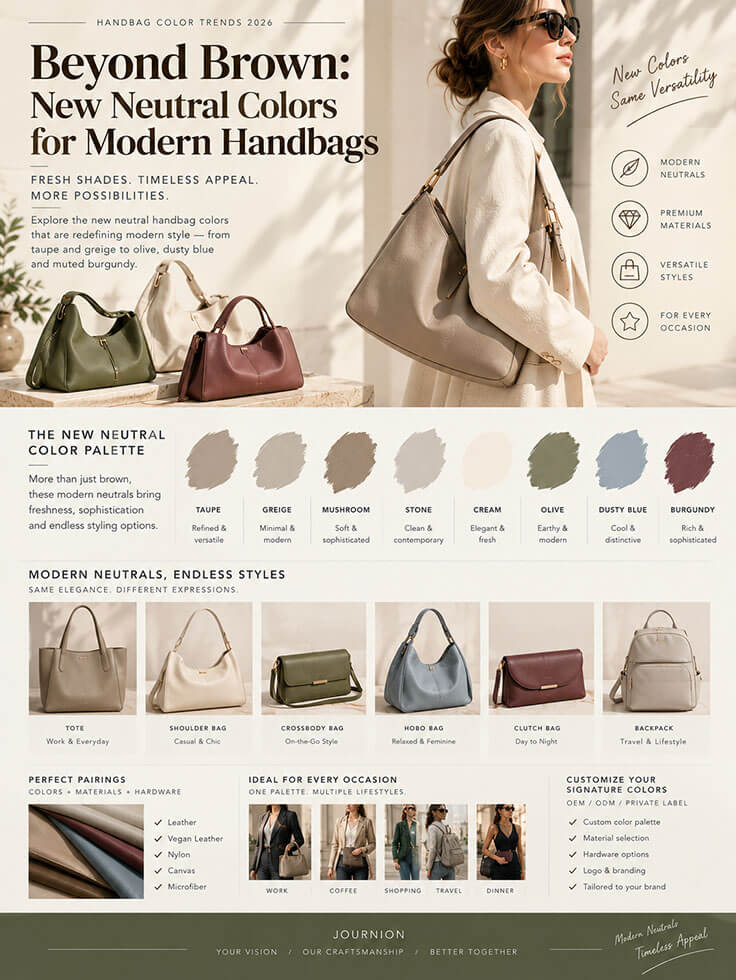
A hobo bag pairs naturally with relaxed tailoring, knitwear, denim, wide-leg trousers, and casual dresses. Neutral shades such as taupe, cream, chocolate brown, black, and olive can create a versatile everyday accessory.
A soft leather hobo bag can also complement minimalist and quiet-luxury-inspired styling through understated details, refined materials, and a clean silhouette.
Tote Bags: Versatile and Functional
Tote bags work well with office wear, smart-casual outfits, travel clothing, and weekend essentials. A structured leather tote can look polished with a blazer or tailored trousers, while a canvas or nylon tote suits more casual occasions.
For a cohesive collection, brands can develop related hobo and tote styles using a shared color palette, consistent hardware, and complementary material choices.

8. Which Style Is Better for Work, Travel, and Everyday Use?
The most suitable handbag depends on the user's daily routine.
For Office and Business Use
A tote bag is often the practical choice for carrying laptops, files, chargers, and other work essentials. A hobo bag may be more suitable when the wearer carries fewer items and prefers a softer, less formal look.
For Shopping and Everyday Errands
Both styles work well. A hobo bag offers relaxed comfort, while a tote bag provides more open space for shopping items and personal belongings.
For Travel and Commuting
A medium or large tote can be useful for keeping frequently accessed items organized. A hobo bag may be preferable for lighter daily carry, especially when comfort and flexibility are priorities.
For travel-specific needs, brands should also consider secure closures, accessible pockets, lightweight construction, and practical strap dimensions.
For Social Occasions
A smaller hobo bag can provide a relaxed but refined appearance. A compact tote may suit casual daytime events, although very large designs can feel less convenient in crowded settings.
The best choice is the bag that matches the user's actual carrying needs, rather than one defined solely by current fashion trends.
9. Design Opportunities for Modern Handbag Brands
For fashion brands, the hobo-versus-tote comparison presents an opportunity to serve different customer needs within one collection.
Develop a Complementary Product Range
A brand could offer:
-
A compact hobo bag for light everyday use
-
A medium hobo bag for versatile daily styling
-
A structured work tote for professional customers
-
A lightweight tote for shopping and travel
-
A premium tote for elevated everyday wear
This approach allows brands to target different occasions while maintaining a consistent design identity.
Focus on Functional Details
Modern customers often evaluate handbags based on how well they work in everyday life. Useful design features include:
-
Secure magnetic or zipper closures
-
Interior zipper pockets
-
Smartphone and card-holder pockets
-
Reinforced strap attachment points
-
Comfortable handle or shoulder-strap dimensions
-
Lightweight materials
-
Durable lining and hardware
For tote bags intended for work, brands may also consider padded laptop sleeves, key clips, bottle pockets, and a reinforced base. For hobo bags, adjustable straps and discreet internal organizers can improve usability while preserving the soft silhouette.
10. Custom Hobo Bags and Tote Bags: OEM, ODM, and Private Label
Brands that want to introduce distinctive handbag collections can work with an experienced OEM handbag manufacturer or ODM handbag manufacturer.
OEM Handbag Manufacturing
OEM production is suitable when a brand has its own design specifications, technical drawings, material choices, and branding requirements. The manufacturer works from the agreed product brief to develop and produce the handbag.
ODM Handbag Manufacturing
ODM production can be useful when a brand wants to develop a product using the manufacturer's existing design capabilities, product concepts, or development support, subject to the agreed customization scope.
Private Label Handbags
Private label handbag manufacturing enables brands to develop products under their own brand identity. Customization may include materials, colors, hardware, labels, packaging, and selected construction details, depending on the supplier's capabilities and minimum order requirements.
Whether developing a custom hobo bag or a private label tote bag, brands should confirm:
-
Target customer and intended use
-
Product dimensions and carrying capacity
-
Material and color specifications
-
Hardware and branding requirements
-
Interior organization and closure type
-
Sample development and approval process
-
Minimum order quantity (MOQ)
-
Quality standards and testing requirements
-
Production schedule and packaging details
Clear specifications help align product expectations, improve communication, and reduce avoidable revisions during development.
11. Quality Considerations: What Makes a Handbag Last?
A handbag's long-term performance depends on more than its material or silhouette. Construction quality, component selection, and quality control all matter.
For hobo bags, important considerations include:
-
Reinforced shoulder-strap attachment points
-
Appropriate support for the intended soft shape
-
Consistent stitching and clean finishing
-
Lining durability and pocket construction
For tote bags, manufacturers should pay particular attention to:
-
Handle and strap reinforcement
-
Base strength and shape retention
-
Load-bearing areas and seam construction
-
Zipper, clasp, and hardware performance
-
Lining strength and compartment attachment
Both styles benefit from accurate pattern cutting, suitable materials, consistent stitching, and final product inspection. Quality requirements should be defined according to the product's intended use and target market.
12. Hobo Bag vs. Tote Bag: Which Should You Choose?
Choose a hobo bag if you prefer:
-
A soft, curved silhouette
-
Relaxed, contemporary styling
-
A comfortable everyday shoulder bag
-
A design that pairs naturally with casual and minimalist outfits
Choose a tote bag if you need:
-
More room for daily essentials
-
Convenient storage for work or commuting
-
Flexible use for shopping and travel
-
A design that can accommodate organized compartments
For brands, the decision depends on the intended customer, product positioning, price point, and collection strategy. Hobo bags can strengthen a collection focused on relaxed everyday fashion, while tote bags can serve work, lifestyle, travel, and functional accessory categories.
Offering both styles can help a brand address a broader range of customer preferences.
Conclusion
The comparison between a hobo bag vs. tote bag comes down to silhouette, capacity, comfort, and lifestyle. Hobo bags offer a relaxed shape and effortless styling, while tote bags are valued for their spacious interiors and everyday practicality. Both can be versatile, premium, and durable when developed with suitable materials and thoughtful construction.
For handbag brands, these two styles provide complementary opportunities to build a collection around modern lifestyles. By working with a reliable custom handbag manufacturer, brands can explore different materials, colors, dimensions, hardware, and organizational features to create products that align with their market positioning.
Whether your next collection focuses on soft hobo bags, functional work totes, or a combination of both, successful handbag development begins with a clear understanding of the customer and the way they use their bags.