
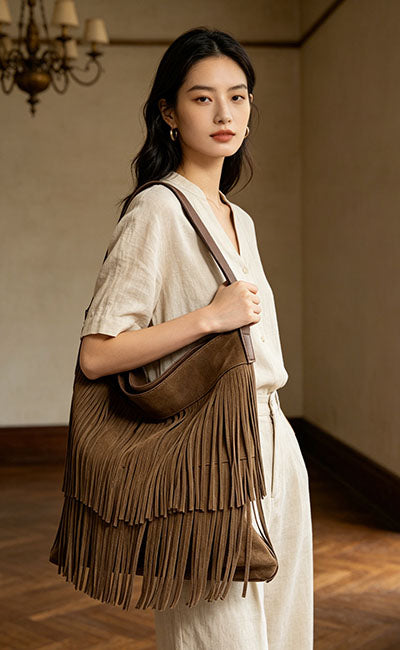



Why Is Leather a Good Material? A Complete Guide to Benefits, Durability, and Modern Applications
Introduction
Leather has been used for centuries in fashion, accessories, and industrial applications—and for good reason. Known for its durability, timeless appeal, and versatility, leather remains one of the most sought-after materials in the world.
But what exactly makes leather such a good material? In this guide, we’ll explore its key advantages, how it compares to other materials, and why it continues to be a top choice for high-quality products.
1. Exceptional Durability and Longevity
Summary
Leather is highly durable and can last for decades when properly maintained, making it a cost-effective long-term investment.
One of the biggest advantages of leather is its strength. Unlike synthetic materials, genuine leather can withstand wear and tear over time without losing its structure.
Key benefits include:
- Resistance to tearing and punctures
- Ability to age without cracking easily
- Long lifespan compared to fabric or PU materials
High-quality leather products often improve with age, developing a unique patina that enhances their character.
2. Timeless Aesthetic and Premium Look
Summary
Leather offers a classic, high-end appearance that never goes out of style, making it ideal for both fashion and business products.
Leather has a natural texture and richness that synthetic materials struggle to replicate. Its visual appeal makes it a preferred choice for:
- Handbags and totes
- Business briefcases
- Footwear and accessories
Over time, leather develops a distinctive look that reflects usage, adding personality to each product.
3. Comfort and Flexibility
Summary
Leather adapts to use over time, becoming softer and more comfortable while maintaining structural integrity.
Unlike rigid materials, leather becomes more flexible with use. This makes it especially valuable for products that require both durability and comfort, such as:
- Shoes
- Backpacks
- Seating materials
Its ability to mold to shapes ensures better ergonomics and user experience.
4. Breathability and Natural Properties
Summary
Leather is naturally breathable, helping regulate temperature and reduce moisture buildup.
Leather allows air to pass through, which prevents excessive heat and moisture accumulation. This is particularly beneficial for:
- Footwear (reducing odor and sweat)
- Bags storing sensitive items
- Furniture used in varying climates
These natural properties enhance both comfort and product performance.
5. Sustainability and Longevity Advantage
Summary
When responsibly sourced, leather can be a sustainable material due to its long lifecycle and biodegradability.
While leather production has environmental considerations, it also offers sustainability benefits:
- Long-lasting products reduce replacement frequency
- Natural material that can biodegrade over time
- Often a by-product of the food industry
Compared to fast-fashion synthetic materials, leather can be a more sustainable choice when used responsibly.
6. Versatility Across Applications
Summary
Leather is highly versatile and used across multiple industries due to its adaptability and performance.
Leather can be crafted into a wide range of products, including:
- Fashion items (bags, jackets, belts)
- Travel goods (luggage, backpacks)
- Furniture and interiors
- Automotive upholstery
Its ability to combine function and aesthetics makes it suitable for both luxury and practical uses.
7. Easy Maintenance and Repairability
Summary
Leather is relatively easy to maintain and can often be repaired, extending product lifespan.
With proper care, leather products can stay in excellent condition for years. Maintenance advantages include:
- Easy cleaning with simple products
- Ability to repair scratches or wear
- Restoration options for aging items
This repairability contributes to its long-term value.
8. Leather vs. Synthetic Materials
Summary
Leather outperforms most synthetic alternatives in durability, appearance, and longevity, though it may come at a higher cost.
Leather Pros:
- Durable and long-lasting
- Premium look and feel
- Breathable and comfortable
Synthetic Material Pros:
- Lower cost
- Vegan-friendly options
- Easier mass production
Choosing between the two depends on budget, purpose, and brand positioning.

Conclusion
Leather remains one of the best materials available due to its durability, timeless style, comfort, and versatility. Whether used in fashion, travel goods, or furniture, leather offers unmatched quality and long-term value.
For brands and consumers seeking premium products that stand the test of time, leather continues to be a top choice.


