

Leather vs Vegan Leather Bags: Which Is Better?
Introduction
As sustainability and ethical fashion continue to shape the global accessories market, the debate between leather bags and vegan leather bags has become more important than ever. Consumers today are not only looking for stylish and durable products but also considering environmental impact, animal welfare, and long-term value.
For brands, retailers, and manufacturers, understanding the differences between genuine leather and vegan leather is essential when developing product collections and targeting different customer markets.
In this guide, we’ll compare leather vs vegan leather bags in terms of durability, appearance, sustainability, maintenance, cost, and manufacturing applications.
1. What Is Genuine Leather?
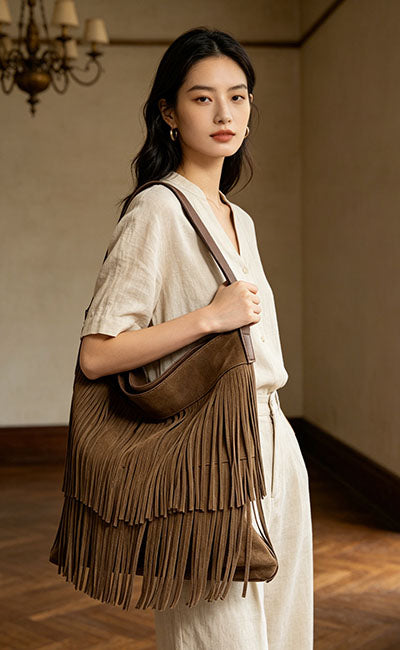
Genuine Leather Bags, Premium Leather Handbags
Genuine leather is made from animal hides that undergo tanning and finishing processes to create durable, flexible materials.
Common Types of Leather:
- Full-grain leather
- Top-grain leather
- Genuine leather
- Suede and nubuck
Key Features:
- Natural texture and appearance
- Strong durability and longevity
- Premium feel and craftsmanship
Leather is commonly used in:
- Luxury handbags
- Business bags
- Premium travel bags
High-quality leather products are often associated with luxury and timeless fashion.
2. What Is Vegan Leather?
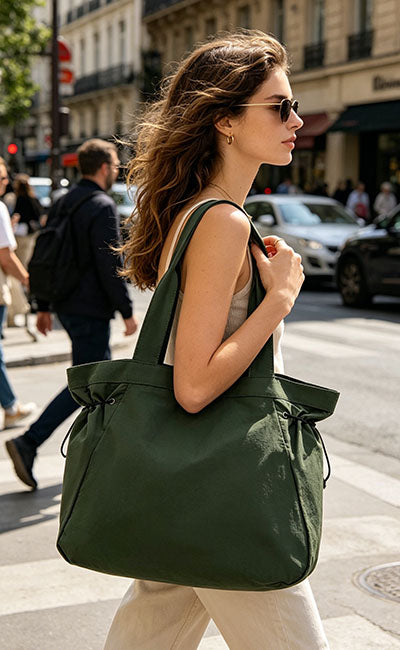
Vegan Leather Bags, Faux Leather Handbags
Vegan leather refers to materials designed to imitate real leather without using animal products.
Common Vegan Leather Materials:
- PU leather (polyurethane)
- PVC leather
- Recycled synthetic leather
- Plant-based leather alternatives
Key Features:
- Animal-free production
- Wide design flexibility
- More affordable pricing
Vegan leather is increasingly popular in modern fashion and sustainable product collections.
3. Leather vs Vegan Leather: Key Differences
Summary
Leather and vegan leather differ in durability, sustainability, cost, maintenance, and market positioning.
| Feature | Genuine Leather | Vegan Leather |
|---|---|---|
| Durability | Very high | Moderate to high |
| Appearance | Natural and premium | Consistent and modern |
| Aging | Develops patina | Less natural aging |
| Cost | Higher | More affordable |
| Maintenance | Requires conditioning | Easier cleaning |
| Sustainability | Depends on sourcing | Depends on material type |
| Animal-Free | No | Yes |
The best choice depends on customer priorities and product goals.

4. Advantages of Genuine Leather Bags
Durable Leather Bags, Luxury Leather Handbags
1. Exceptional Durability
Leather can last for many years with proper care.
2. Premium Appearance
Natural grain patterns create a luxurious look and feel.
3. Timeless Style
Leather bags rarely go out of fashion.
4. Aging and Patina
Leather develops character and uniqueness over time.
Best Applications:
- Luxury fashion brands
- Business backpacks
- High-end travel accessories
Leather remains a leading material in premium bag manufacturing.
5. Advantages of Vegan Leather Bags
Eco-friendly Vegan Bags, Affordable Fashion Handbags
Summary
Vegan leather offers affordability, ethical appeal, and strong flexibility for modern fashion brands.
1. Animal-Free Alternative
Appeals to vegan and cruelty-free consumers.
2. Lower Production Cost
More accessible for mass-market brands.
3. Design Versatility
Easier to create various colors, textures, and finishes.
4. Easier Maintenance
Typically more resistant to stains and moisture.
Best Applications:
- Trend-focused handbags
- Fashion accessories
- Affordable private label collections
Vegan leather is especially popular among younger and sustainability-conscious consumers.

6. Sustainability Considerations
Sustainable Leather Alternatives, Eco-friendly Bag Materials
Sustainability is one of the biggest factors influencing material selection today.
Genuine Leather:
- Long lifespan reduces replacement frequency
- Environmental impact depends on tanning methods and sourcing
Vegan Leather:
- Animal-free production
- Some synthetic materials rely on plastics and chemicals
Emerging Sustainable Alternatives:
- Recycled PU leather
- Bio-based leather
- Plant-based materials made from cactus, pineapple, or mushroom fibers
Both materials can support sustainability when responsibly produced.
7. Durability and Maintenance Comparison
Leather Bag Care, Vegan Leather Durability
Genuine Leather:
- Requires conditioning and proper storage
- Resistant to tearing and wear
- Ages naturally over time
Vegan Leather:
- Easier daily maintenance
- Less resistant to cracking over long periods
- More sensitive to extreme heat and peeling
Durability expectations vary depending on product quality and usage conditions.
8. Cost and Market Positioning
Handbag Pricing Strategy, Premium Vs Affordable Bags
Summary
Leather and vegan leather target different pricing strategies and customer segments.
Leather Bags:
- Premium pricing
- Luxury and professional markets
- Long-term investment products
Vegan Leather Bags:
- Affordable and fashion-forward
- Faster trend adaptation
- Strong appeal in fast-fashion markets
Brands often use both materials to serve different product categories.
9. Leather and Vegan Leather in Bag Manufacturing
Custom Handbag Manufacturer, OEM Leather Bag Production
Manufacturers today commonly produce both leather and vegan leather bags.
Key Manufacturing Considerations:
- Material sourcing
- Hardware compatibility
- Stitching techniques
- Quality control standards
Professional OEM and ODM bag manufacturers help brands select materials based on target market and pricing goals.
10. Which Is Better for Your Needs?
Leather Vs Vegan Leather Bags, Choosing Handbag Materials
Choose Genuine Leather If You Want:
- Long-term durability
- Luxury appearance
- Premium brand positioning
Choose Vegan Leather If You Want:
- Animal-free products
- Lower production costs
- Trend-focused designs
There is no single “better” option—each material serves different consumer needs and business strategies.
Conclusion
Leather and vegan leather bags both offer unique advantages depending on style, functionality, sustainability goals, and market positioning. Genuine leather provides timeless luxury, durability, and craftsmanship, while vegan leather offers ethical appeal, affordability, and modern versatility.
For brands and consumers alike, the right choice depends on priorities such as durability, design preferences, sustainability values, and budget. By understanding the strengths and limitations of both materials, businesses can create stronger product collections and better meet evolving customer expectations.
Summary
1. Genuine leather bags offer premium durability, timeless aesthetics, and long-term value.
2. Vegan leather bags provide animal-free alternatives with lower upfront costs and modern design flexibility.
3. Leather develops a natural patina over time, while vegan leather offers more color and texture consistency.
4. Sustainability depends on production methods, materials, and product lifespan.
5. Vegan leather is widely used in fashion-forward and eco-conscious markets.
. Both materials are popular in custom bag manufacturing and private label handbag production.


