
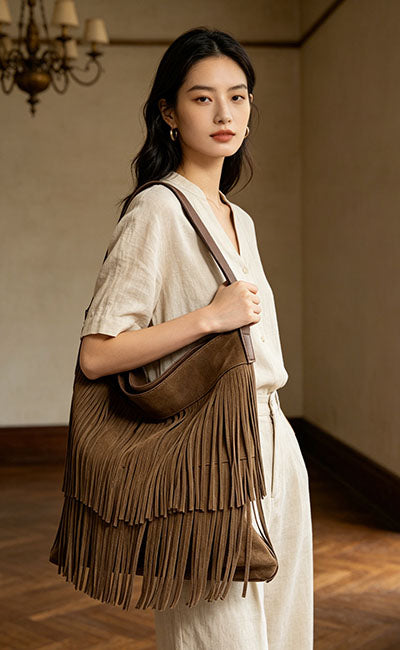



What is MOQ in Bag Manufacturing
Introduction
When sourcing products from a bag manufacturer, one of the first terms you’ll encounter is MOQ. Whether you're launching a new handbag collection, sourcing backpacks, or developing a private label bag brand, understanding MOQ is essential for planning your budget, inventory, and production strategy.
MOQ directly affects pricing, customization options, and supplier selection in the bag manufacturing industry. For startups and growing brands, knowing how MOQ works can help reduce risks and improve purchasing decisions.
In this guide, we’ll explain what MOQ means in bag manufacturing, why factories require it, and how businesses can manage MOQ effectively.
1. What Does MOQ Mean in Bag Manufacturing?
MOQ in bag manufacturing, minimum order quantity bags
MOQ stands for Minimum Order Quantity, which refers to the smallest number of units a manufacturer is willing to produce for a specific order.
Example:
- A factory may require:
- 100 pcs per color
- 300 pcs per style
- 500 pcs total per order
MOQ requirements vary depending on:
- Bag type
- Materials
- Customization level
- Manufacturing process
MOQ is one of the most important factors in custom bag manufacturing.
2. Why Do Bag Manufacturers Have MOQ Requirements?
bag factory MOQ, manufacturing production efficiency
Summary
Factories use MOQ requirements to maintain production efficiency and reduce manufacturing costs.
Main Reasons:
1. Material Procurement
Manufacturers often need to purchase fabrics, zippers, and hardware in bulk quantities.
2. Production Setup Costs
Machine setup, pattern making, and labor preparation require time and resources.
3. Manufacturing Efficiency
Larger production runs improve workflow efficiency and reduce unit costs.
4. Waste Reduction
MOQ helps minimize leftover materials and production waste.
Without MOQ, production costs would increase significantly for both manufacturers and buyers.
3. MOQ for Different Types of Bags
handbag MOQ, backpack manufacturing MOQ
MOQ varies depending on the bag category and production complexity.
| Bag Type | Typical MOQ |
|---|---|
| Tote Bags | 50–200 pcs |
| Backpacks | 100–500 pcs |
| Leather Handbags | 100–300 pcs |
| Travel Bags | 200–500 pcs |
| Promotional Bags | 500–1000 pcs |
Luxury and highly customized bags often require higher MOQs due to material and labor costs.
4. OEM vs ODM MOQ Differences
OEM bag manufacturing, ODM bag supplier
Summary
OEM projects usually require higher MOQs than ODM products.
OEM (Custom Design)
- Fully customized products
- New patterns and materials
- Higher setup costs
- Typically higher MOQ
ODM (Existing Designs)
- Ready-made bag styles
- Minor logo or color customization
- Faster production
- Lower MOQ
ODM is often a better option for startups with limited budgets.
5. Factors That Affect MOQ in Bag Manufacturing
custom bag MOQ factors, bag production requirements
Several factors influence MOQ requirements.
1. Material Availability
Custom fabrics or imported materials may increase MOQ.
2. Hardware Customization
Custom logos on zippers, buckles, or metal plates often require higher quantities.
3. Printing & Embroidery
Screen printing and embroidery setup costs impact MOQ.
4. Color Variations
Multiple colors may require separate MOQ requirements per color.
5. Bag Complexity
Complex construction increases labor and production costs.
The more customized the product, the higher the MOQ is likely to be.
6. How to Reduce MOQ Requirements
low MOQ bag manufacturer, small quantity bag production
Summary
There are several ways brands can lower MOQ and reduce startup risk.
Tips for Lower MOQ:
- Choose stock materials and colors
- Use existing ODM designs
- Simplify customization
- Combine multiple styles into one order
- Work with flexible manufacturers
Many suppliers now offer low MOQ bag manufacturing to support startups and small businesses.
7. MOQ vs Pricing Relationship
bag manufacturing cost, wholesale bag pricing
MOQ directly affects unit pricing.
Lower MOQ:
- Higher cost per unit
- Less production efficiency
Higher MOQ:
- Lower cost per unit
- Better economies of scale
Brands must balance inventory risk with pricing advantages.
8. MOQ and Inventory Management
bag inventory planning, manufacturing order strategy
Proper inventory planning helps businesses manage MOQ effectively.
Consider:
- Sales forecasts
- Storage capacity
- Product demand cycles
- Seasonal trends
Ordering too much inventory increases storage costs, while ordering too little may cause stock shortages.
9. Choosing the Right Bag Manufacturer
reliable bag manufacturer, custom bag supplier
Selecting the right manufacturing partner is essential for MOQ flexibility and long-term success.
Look For:
- Transparent MOQ policies
- OEM & ODM capabilities
- Strong communication
- Flexible customization options
- Experience with startups and growing brands
A reliable manufacturer can help optimize production and reduce unnecessary costs.
10. Is MOQ Always Necessary?
no MOQ bags, low quantity custom bags
Some suppliers now offer:
- Small-batch production
- Print-on-demand services
- Sample-based manufacturing
However, very low MOQ often comes with:
- Higher prices
- Limited customization
- Longer unit costs
For scalable business growth, balanced MOQ planning remains important.
Conclusion
MOQ is a fundamental concept in bag manufacturing that affects pricing, customization, and production efficiency. Understanding how MOQ works helps brands make smarter sourcing decisions, control inventory risks, and build stronger supplier relationships.
Whether you're launching a private label bag brand or scaling an existing business, working with the right manufacturer and choosing the appropriate MOQ strategy can significantly improve your success in the competitive bag industry.
Summary
1. MOQ stands for Minimum Order Quantity, the minimum number of bags a manufacturer requires per order.
2. MOQ helps factories optimize production efficiency, material sourcing, and manufacturing costs.
3. Custom bag manufacturing typically has higher MOQ requirements than wholesale bag sourcing.
4. Factors affecting MOQ include bag design, materials, hardware, printing, and production complexity.
5. Lower MOQ options are available through ODM, stock materials, or simplified customization.
6. Understanding MOQ helps brands balance inventory, budget, and production efficiency.


