

Best Materials for Women’s Fashion Bags: A Complete Guide for Brands and Buyers
Introduction
The material of a handbag is one of the most important factors influencing its appearance, durability, functionality, and market positioning. Whether you're a fashion brand developing a new collection or a buyer sourcing products from a custom handbag manufacturer, choosing the right material can significantly impact product quality and customer satisfaction.
Today's women's bag market offers a wide variety of materials, from premium leather and sustainable vegan leather to lightweight nylon and durable canvas. Each material has unique characteristics that make it suitable for different styles, price points, and target audiences.
In this guide, we'll explore the best materials for women's fashion bags, compare their advantages and disadvantages, and help brands determine which materials best fit their product strategy.
1. Genuine Leather: The Premium Standard
Genuine leather handbags, Luxury leather bags, Premium women's handbags
For decades, genuine leather has been considered the gold standard in women's fashion bags.
Advantages of Leather Bags
✔ Exceptional durability
✔ Premium appearance
✔ Natural texture and grain
✔ Develops a unique patina over time
✔ Strong perceived value
Popular Leather Types
Full-Grain Leather
The highest quality leather available.
Features:
- Natural grain surface
- Maximum durability
- Premium luxury appeal
Top-Grain Leather
A refined version of full-grain leather.
Benefits:
- Smoother appearance
- Softer touch
- Luxury positioning
Pebbled Leather
Popular for women's handbags due to:
- Scratch resistance
- Elegant texture
- Everyday practicality
Best For:
- Luxury handbags
- Designer collections
- Business bags
- Premium tote bags
2. Vegan Leather: Fashion Meets Sustainability
Vegan leather bags, Eco-friendly handbags, Sustainable fashion bags
As sustainability becomes increasingly important, vegan leather has become one of the fastest-growing materials in the handbag industry.
Advantages
✔ Animal-free production
✔ More affordable than genuine leather
✔ Consistent appearance
✔ Wide variety of colors and finishes
✔ Easier maintenance
Common Types
PU Leather
The most common vegan leather material.
Benefits:
- Soft texture
- Flexible design options
- Lower environmental impact than PVC
Plant-Based Leather
Emerging sustainable alternatives include:
- Cactus leather
- Apple leather
- Mushroom leather
- Pineapple fiber leather
Best For:
- Contemporary fashion brands
- Sustainable collections
- Mid-range handbags
- Trend-driven products
3. Nylon: Lightweight and Highly Functional
Nylon handbags, Lightweight women's bags, Travel handbags
Nylon has become a favorite material for modern women seeking lightweight and practical bags.
Advantages
✔ Lightweight
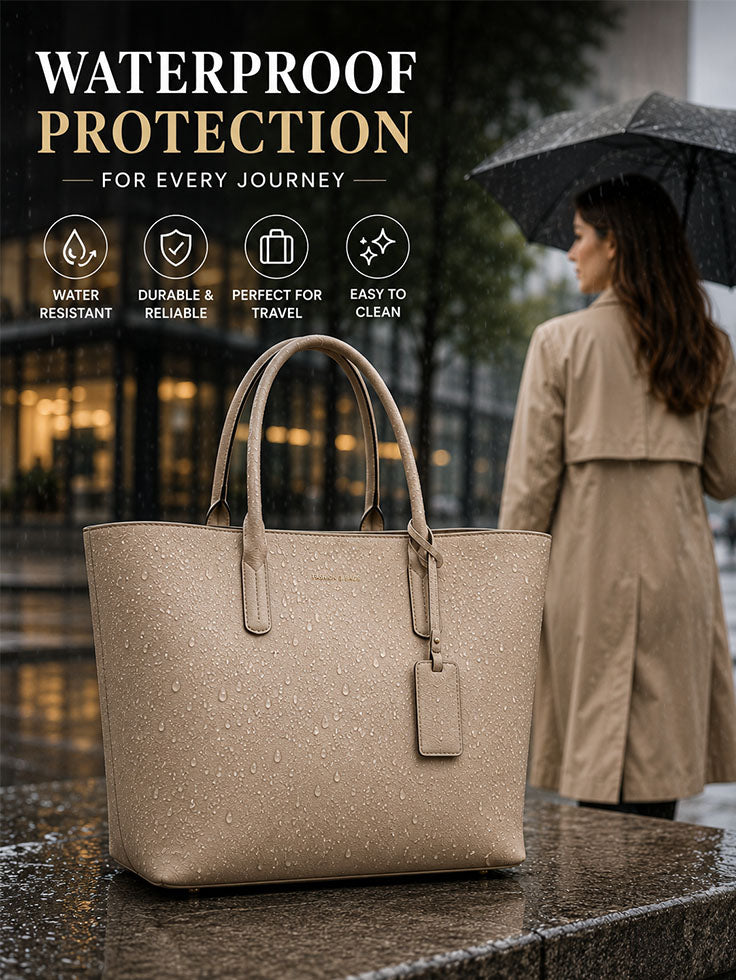
✔ Water-resistant
✔ Abrasion-resistant
✔ Easy to clean
✔ Long-lasting performance
Popular Applications
- Travel bags
- Shoulder bags
- Crossbody bags
- Everyday totes
- Fashion backpacks
Why Consumers Love Nylon
Modern nylon bags combine:
- Durability
- Functionality
- Minimalist aesthetics
This makes them ideal for active lifestyles.
4. Canvas: Durable and Timeless
Canvas tote bags, Canvas handbags, Casual fashion bags
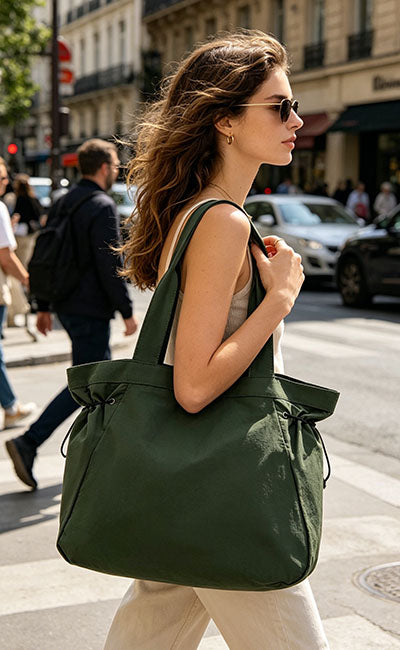
Canvas remains one of the most versatile materials used in women's bag manufacturing.
Advantages
✔ Strong and durable
✔ Natural appearance
✔ Cost-effective
✔ Easy customization
✔ Suitable for printing and embroidery
Popular Styles
- Tote bags
- Shopping bags
- Casual handbags
- Weekend bags
Canvas bags appeal to consumers seeking a relaxed and eco-conscious aesthetic.
5. RPET Recycled Fabric: The Sustainable Choice
RPET handbags, Recycled fabric bags, Sustainable handbag manufacturing
RPET (Recycled Polyethylene Terephthalate) is made from recycled plastic bottles and is becoming increasingly popular in sustainable fashion.
Advantages
✔ Reduces plastic waste
✔ Lightweight
✔ Durable
✔ Water-resistant
✔ Supports eco-friendly branding
Market Trends
Consumers increasingly favor products made from:
- Recycled materials
- Sustainable production methods
- Ethical supply chains
RPET handbags align perfectly with these trends.
6. Suede: Soft Luxury Appeal
Suede handbags, Luxury women's bags
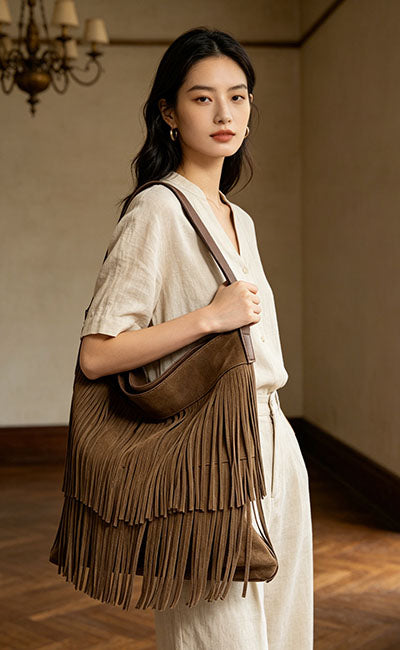
Suede offers a unique texture and premium aesthetic.
Advantages
✔ Soft touch
✔ Elegant appearance
✔ High-fashion appeal
Challenges
- More difficult to clean
- Sensitive to moisture
- Requires additional maintenance
Best For
- Fashion collections
- Seasonal handbags
- Premium shoulder bags
7. PVC: Transparent and Trend-Driven
PVC handbags, Transparent fashion bags
PVC bags remain popular in fashion-forward markets.
Advantages
✔ Waterproof
✔ Modern appearance
✔ Transparent design options
✔ Cost-effective
Popular Applications
- Beach bags
- Cosmetic bags
- Promotional bags
- Fashion accessories
Many brands now use upgraded PVC materials for improved durability and clarity.
8. Comparing Popular Handbag Materials
Summary
Each material offers different advantages depending on product goals and target customers.
| Material | Durability | Luxury Appeal | Sustainability | Cost |
|---|---|---|---|---|
| Full-Grain Leather | Excellent | Excellent | Moderate | High |
| Vegan Leather | Good | Good | Good | Medium |
| Nylon | Excellent | Medium | Medium | Medium |
| Canvas | Good | Medium | Good | Low |
| RPET | Good | Medium | Excellent | Medium |
| Suede | Good | Excellent | Moderate | High |
| PVC | Medium | Low | Low | Low |
9. How Fashion Brands Choose Materials
Custom handbag manufacturer, Women's bag production
Professional brands typically evaluate materials based on:
Target Market
Luxury Market:
- Leather
- Suede
Mid-Range Fashion:
- Vegan leather
- Nylon
Eco-Friendly Collections:
- RPET
- Organic canvas
Functional Requirements
For travel:
- Nylon
- RPET
For business:
- Leather
- Structured vegan leather
For casual everyday use:
- Canvas
- Nylon
Material selection should align with customer expectations and brand identity.
10. Future Material Trends in Women's Fashion Bags
future handbag trends, sustainable bag materials
The future of women's handbags is being shaped by:
Emerging Trends
- Recycled materials
- Bio-based leather alternatives
- Lightweight technical fabrics
- Sustainable manufacturing processes
- Circular fashion initiatives
Brands that adopt innovative materials early are likely to gain competitive advantages in the evolving handbag market.

Conclusion
Choosing the best material for women's fashion bags requires balancing aesthetics, durability, sustainability, functionality, and cost. While genuine leather remains the premium benchmark, materials such as vegan leather, nylon, canvas, and RPET are becoming increasingly important as consumer preferences evolve.
For brands working with a custom handbag manufacturer, understanding the strengths and limitations of each material helps create collections that meet market demands while supporting long-term business growth. The best material ultimately depends on your target audience, product positioning, and brand values.