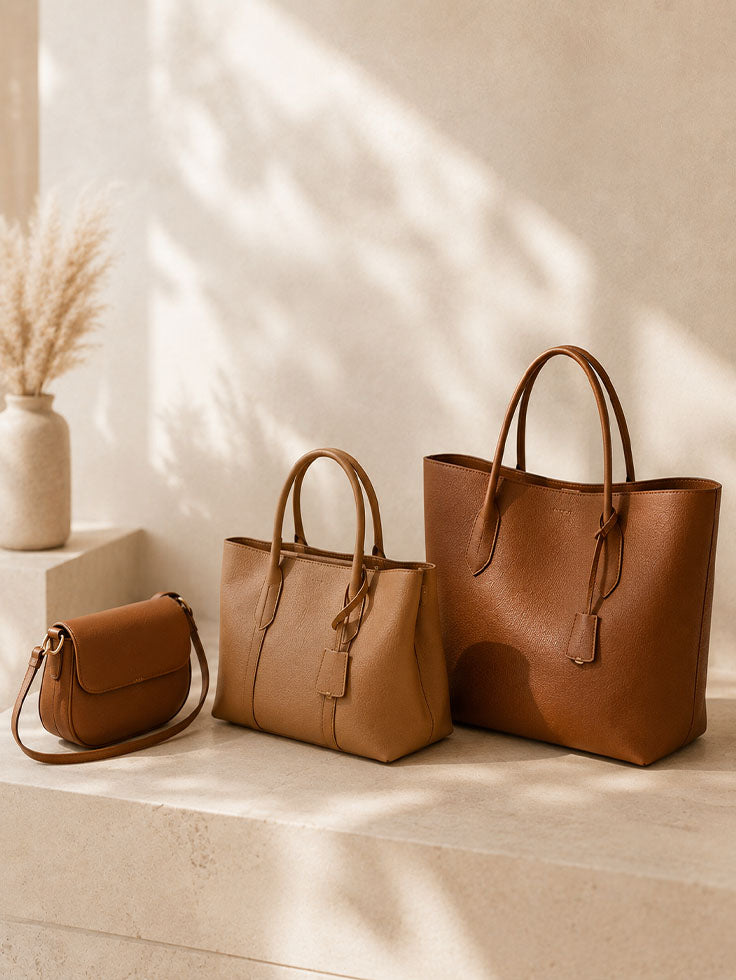



Behind the Scenes: How Women's Handbags Are Made--The Complete Women's Handbag Manufacturing Process
Introduction
A beautiful handbag may appear simple on the outside, but creating one requires significant expertise, precision, and craftsmanship.
From luxury leather totes to everyday crossbody bags, every handbag goes through multiple production stages before reaching consumers. Every stitch, every edge, and every hardware component contributes to the quality and durability of the final product.
For fashion brands and consumers alike, understanding the handbag manufacturing process offers a deeper appreciation for the craftsmanship behind premium women's bags.
Let's take a look behind the scenes.
Step 1: Design and Pattern Making
Handbag Design Process, Handbag Pattern Making
Every handbag begins with an idea.
Designers first create:
- Hand sketches
- Digital illustrations
- Technical drawings
- Size specifications
- Interior layouts
Once the design is approved, the factory develops a pattern, often referred to as a "paper pattern" or "template."
The pattern determines:
- Dimensions
- Panel shapes
- Pocket positions
- Strap lengths
- Construction details
Pattern making is one of the most important steps because even minor measurement errors can affect the final product.
Step 2: Material Selection
Leather Handbag Production, Handbag Materials
The next step involves selecting suitable materials.
Common exterior materials include:
- Genuine leather
- Vegan leather
- Nylon
- Canvas
- RPET recycled fabric
- PVC
Interior materials often include:
- Polyester lining
- Cotton twill
- Microfiber suede
Hardware components include:
- Zippers
- Buckles
- Magnetic closures
- Chains
- Metal logos
Material quality has a direct impact on durability, aesthetics, and price.
Step 3: Cutting the Materials
Handbag Cutting Process
Summary
Once materials are prepared, factories begin cutting.
Depending on the material and production volume, manufacturers may use:
Manual Cutting
Ideal for:
- Luxury handbags
- Small production runs
- Complex designs
Die Cutting
Perfect for:
- Medium production quantities
- Consistent shapes
Computerized Cutting Machines
Suitable for:
- Large-scale production
- Improved efficiency
- Reduced material waste
Precision cutting ensures every component fits perfectly during assembly.
Step 4: Skiving and Edge Preparation
luxury handbag craftsmanship
Leather often requires thinning, known as skiving, before assembly.
Benefits include:
- Smoother folds
- Reduced bulk
- Cleaner edges
- Improved appearance
This stage is especially important for premium handbags that require refined construction.
Step 5: Stitching and Assembly
handbag stitching process
Summary
Stitching is where the handbag truly begins to take shape.
Skilled workers carefully assemble:
- Exterior panels
- Pockets
- Linings
- Handles
- Straps
High-quality stitching improves:
✔ Durability
✔ Load-bearing strength
✔ Appearance
✔ Product lifespan
Luxury handbags often use precise stitching with strict quality standards to ensure consistency.
Step 6: Edge Painting (Edge Coating)
Handbag Edge Painting
One of the defining features of premium handbags is beautifully finished edges.
Edge painting involves applying multiple layers of protective coating to exposed leather edges.
Benefits include:
- Enhanced durability
- Improved water resistance
- Smooth appearance
- Professional finishing
Premium handbags often require several rounds of sanding and painting to achieve a flawless result.
Step 7: Hardware Installation
Handbag Hardware Installation
The next stage involves installing:
- Zippers
- Metal logos
- Buckles
- Rivets
- Magnetic closures
- Decorative hardware
Quality hardware significantly affects both functionality and aesthetics.
Premium manufacturers carefully inspect hardware to ensure:
- Smooth operation
- Consistent finish
- Strong attachment
- Scratch resistance
Step 8: Cleaning and Finishing
Luxury Handbag Production
After assembly, each handbag undergoes final finishing.
This includes:
- Surface cleaning
- Shape adjustment
- Thread trimming
- Final polishing
- Protective packaging preparation
This stage helps ensure the handbag looks perfect before inspection.
Step 9: Quality Control (QC Inspection)
Handbag Quality Control
Summary
Quality control is one of the most important stages in the women's handbag manufacturing process.
Professional factories inspect:
Appearance
- Color consistency
- Material defects
- Shape accuracy
Construction
- Stitch quality
- Edge finishing
- Hardware alignment
Functionality
- Zipper performance
- Strap strength
- Closure operation
Packaging
- Labels
- Dust bags
- Cartons
Strict QC procedures help minimize defects and maintain consistent product standards.
Step 10: Packaging and Shipping
Private Label Handbags, OEM Handbag Manufacturer
After passing inspection, handbags are carefully packaged.
Common packaging options include:
- Dust bags
- Gift boxes
- Recyclable packaging
- Custom tags
- Barcode labels
The finished products are then prepared for international shipping and retail distribution.

Why Craftsmanship Matters
Handbag Craftsmanship
Consumers increasingly appreciate handbags that offer:
- Superior materials
- Precise construction
- Long-lasting durability
- Timeless aesthetics
High-quality craftsmanship transforms a simple bag into a product that can be used and enjoyed for many years.
The Role of Custom Handbag Manufacturers
Custom Handbag Manufacturer, OEM Handbag Manufacturer
Professional manufacturers play an essential role in helping brands develop premium handbags.
Services often include:
- Product development
- Sample creation
- Material sourcing
- Quality control
- Packaging customization
- Mass production
Working with an experienced manufacturer allows brands to create products that combine exceptional craftsmanship with efficient production.
Frequently Asked Questions (FAQ)
How long does it take to make a handbag?
Depending on complexity, the complete process can take anywhere from several weeks to several months, including development and production.
What is the most important stage in handbag production?
Every stage is important, but pattern making and quality control have the greatest impact on product consistency and overall quality.
Why are luxury handbags expensive?
Luxury handbags often use premium materials, skilled craftsmanship, multiple finishing processes, and strict quality control standards.
Can brands customize every aspect of a handbag?
Yes. Many OEM and private label manufacturers offer full customization, including materials, colors, hardware, linings, logos, and packaging.
Conclusion
Behind every women's handbag is a carefully managed manufacturing process that combines creativity, engineering, and skilled craftsmanship. From pattern making and cutting to stitching, edge painting, hardware installation, and quality inspection, every stage contributes to the beauty and durability of the finished product.
Understanding how handbags are made not only highlights the value of quality craftsmanship but also helps brands make informed decisions when developing their own collections. By partnering with an experienced custom handbag manufacturer, businesses can create handbags that deliver both style and lasting performance.
Summary
1. Handbag production begins with design and pattern development.
2. Material selection directly affects quality and durability.
3. Precision cutting and stitching are critical for consistency.
4. Edge painting and hardware installation elevate the bag's appearance.
5. Quality control ensures every bag meets production standards.
6. Experienced manufacturers combine craftsmanship with modern technology to produce high-quality handbags.